Home | Impressum | Datenschutz | KIT

Seminar Week: Back to Earth – A journey to pioneering clay buildings in German-speaking regions

Clay, long an underrated building material, is currently experiencing a renaissance in light of the ecological crisis and is now considered a forward-looking material. The seminar trip takes us to the most significant clay buildings in Germany, Switzerland, and Austria. On a bus trip, we discover historic half-timbered and clay houses, contemporary projects in rammed clay and light clay, as well as innovative approaches to sustainable clay architecture. The excursion combines theoretical insights with practical observations and provides a deep understanding of the structural, design, and ecological potential of clay.

First Meeting: Thursday 07.05.2026, 13:00-14:00 , Bldg. 11.40, R 26
Excursion:  26.05. – 29.05.2026
Costs: max. 500€


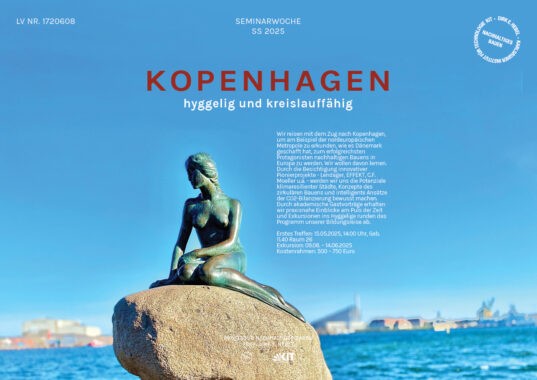
Seminar week: KOPENHAGEN

We are travelling to Copenhagen by train to explore how Denmark has managed to become the most successful protagonist of sustainable construction in Europe, using the example of the northern European metropolis. We want to learn from it.

By visiting innovative pioneering projects – by Lendager, EFFEKT, C.F. Moeller and others – we are made aware of a climate-resilient citie´s potential, concepts of circular construction and intelligent approaches to CO2 balancing.

Academic guest lectures will provide us with state oft he art insights and Exploring the concept of Hygge will complete the program of our academic journey.

Supervised by: Prof. Dirk E. Hebel, Elena Boerman, Fanny Hirt, Han Jun Yi

First Meeting: 15.05.2025, 14:00 Uhr, Geb. 11.40 Raum 26
Excursion: 09.06. – 14.06.2025


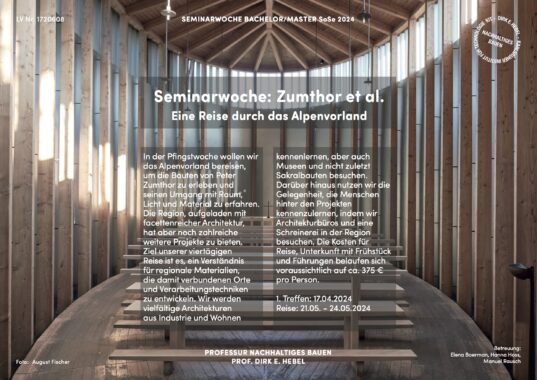
Seminar Week Zumthor et al.

An exciting Whitsun week lies behind us: We traveled to the foothills of the Alps to experience Peter Zumthor’s buildings and his approach to space, light and material. Yet the region, rich in diverse architecture, also offered us a variety of additional projects. The aim of our four-day field trip was to develop an understanding of the regional materials, the sites and the associated construction techniques. We got to know a broad spectrum of industrial and residential architecture, but also visited museums and, last but not least, sacred buildings. We also took the opportunity to get to know the people behind the projects by visiting architectural offices and a carpentry workshop in the region.
Our special thanks go to all those involved who gave us in-depth insights into the projects, but also to the group of interested students, without whose thirst for knowledge a week like this would be far less valuable.

The aim of our seminar week is to give students an understanding of the attitude and the associated responsibility for the design and construction of a project. Design decisions should raise questions about the availability of talents and materials, responsibility for the sustainable use of resources, functionality and respect for social and cultural particularities and climatic conditions, as well as the traditional understanding of craftsmanship, joining methods and processing techniques. Furthermore, longevity, resilience and ecological viability need to be discussed.
With this journey, we would like to encourage students to discover design approaches in their specific manifestations and to further develop them innovatively, enriching and supplementing them with their own knowledge.


Seminar week: Zumthor et al.

A journey across the Alpine region

During Whitsun week, we want to travel to the Alpine foreland to experience Peter Zumthor’s buildings and his work with space, light and material. The region, rich in diverse architecture, has numerous other projects to offer. Our aim during the four days of our trip is to develop an understanding of regional materials, the places associated with them and processing technologies.

We will get to know multifaceted industrial and residential architecture, but also visit museums and, last but not least, religious buildings. In addition, we will take the opportunity to meet the people behind the architecture by visiting architectural offices and a carpentry workshop in the region.

The cost for travel, accommodation with breakfast and programme is estimated at around €375 per person.

Supervised by: Prof. Dirk E. Hebel, Elena Boerman, Hanna Hoss, Manuel Rausch

First Meeting: 17.04.24, 11.30 am, building 11.40, Raum 26
Excursion: 21.05.2024 – 24.05.2024


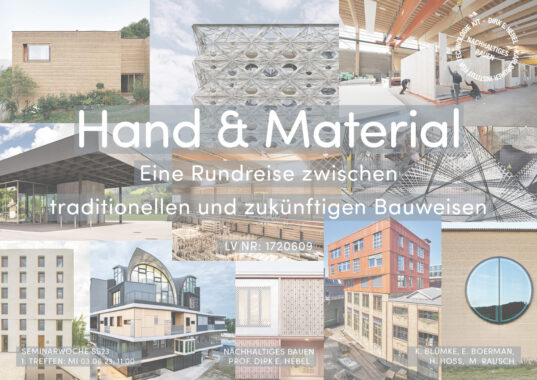
Seminar Week: Hand & Material

A round trip among traditional and future building 

In the seminar week we want to take a round trip between traditional and future building methods and explore the connections of hand and material.

We want to look at new manufacturing techniques in craftsmanship and technology, their interdependencies and dare a look into the future of construction towards digital fabrication. The journey will take us from Karlsruhe, via Stuttgart to the alpine foothills and then via Zurich and Laufen back to Baden. 

Some of the costs will have to be covered by the students themselves. We are striving to keep this part as low as possible.

Site:
Karlsruhe, Kernen, Reutlingen, Bregenz, Reuthe, Andelsbuch, Schlins, Lustenau, Winterthur, Dübendorf, Zürich, Laufen, Karlsruhe.

Number of Participants:
20 students, Bachelor / Master


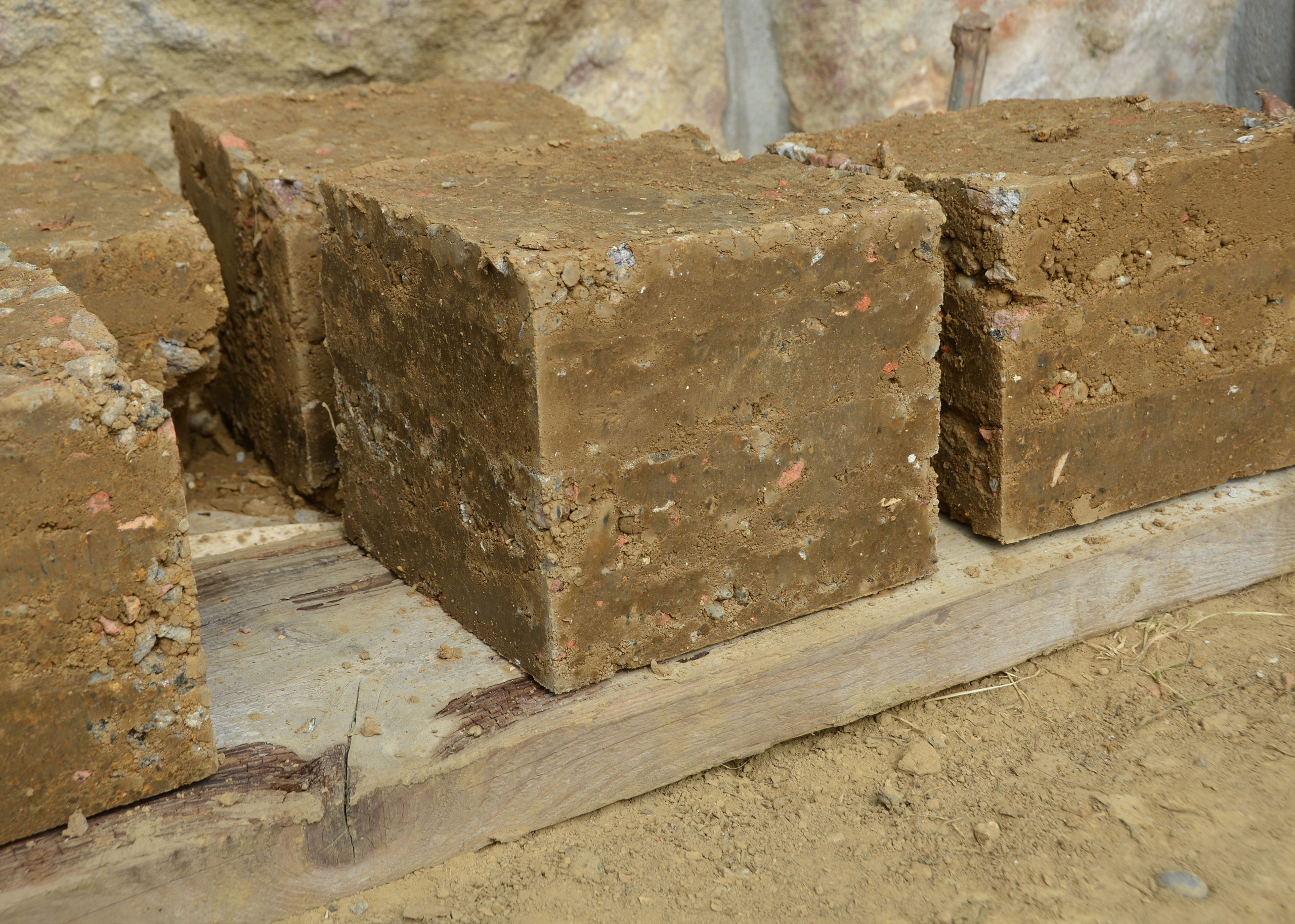
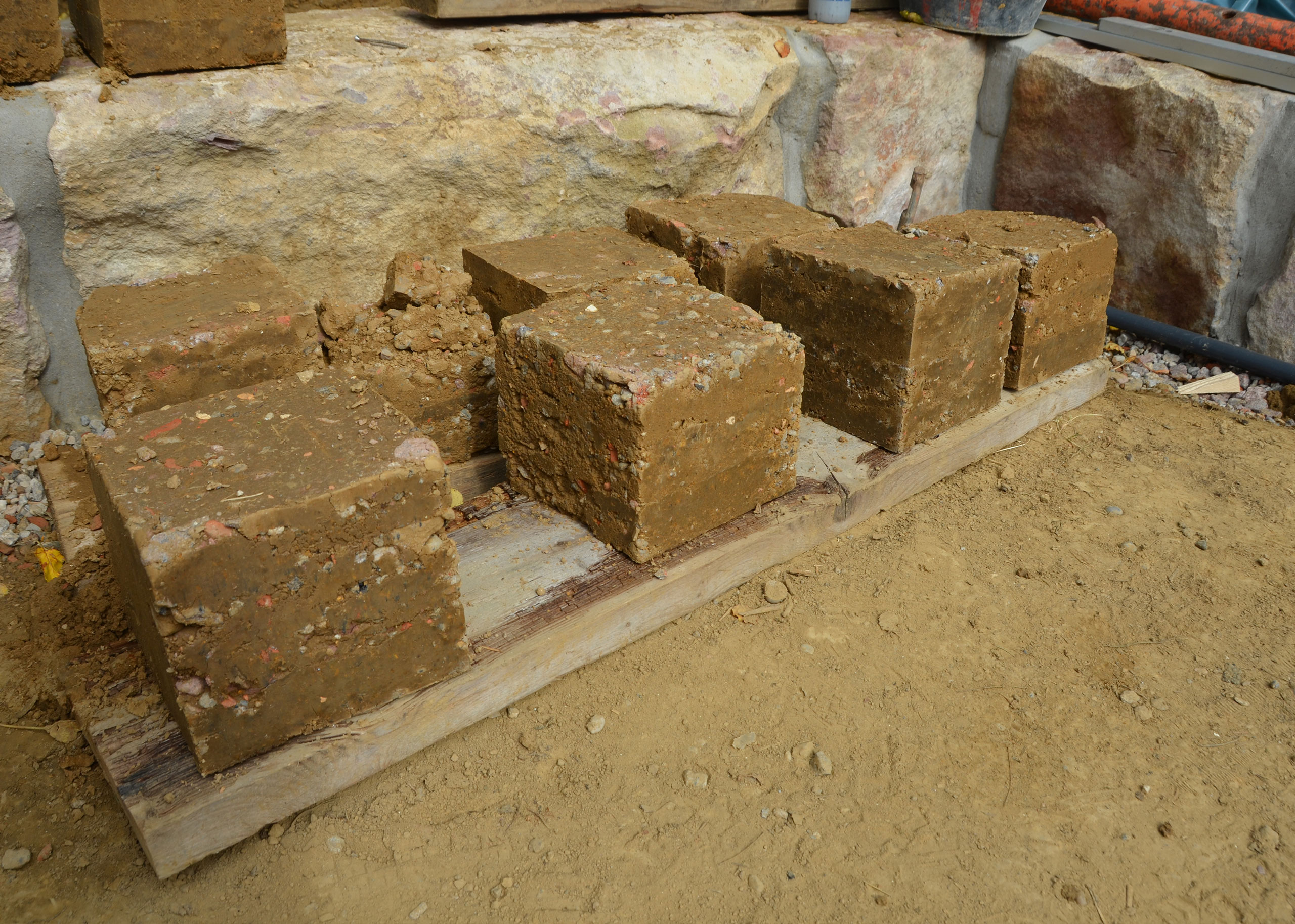
Rammed earth garden house near Freiburg

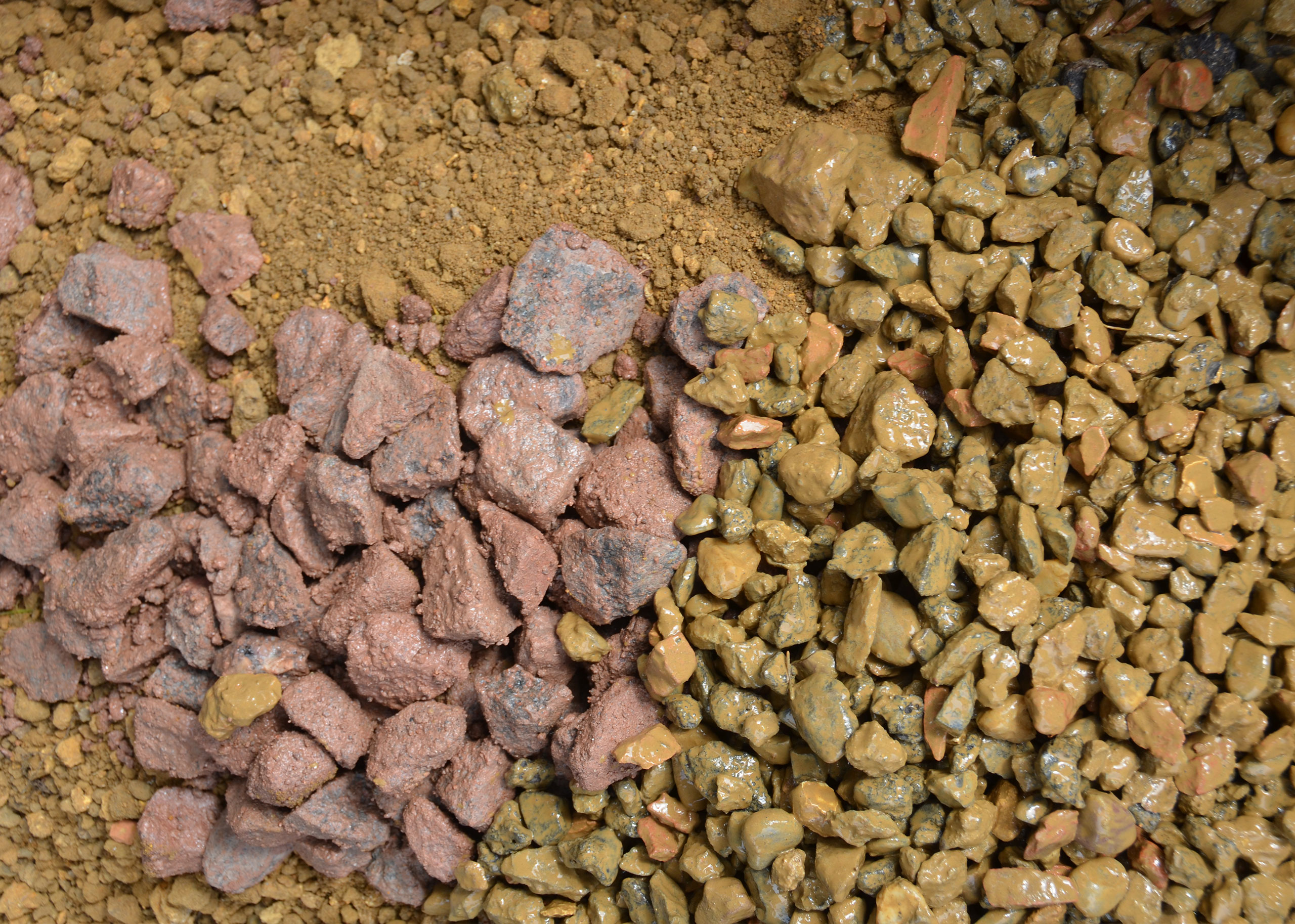
Loam is produced by the natural weathering of rocks. It can be found almost everywhere and is considered a local building material – even on the Upper Rhine. It consists of different rock or particle sizes, from sand to silt to clay. If dried loam is combined with sufficient water, it becomes plastic again and can be brought into a new form.

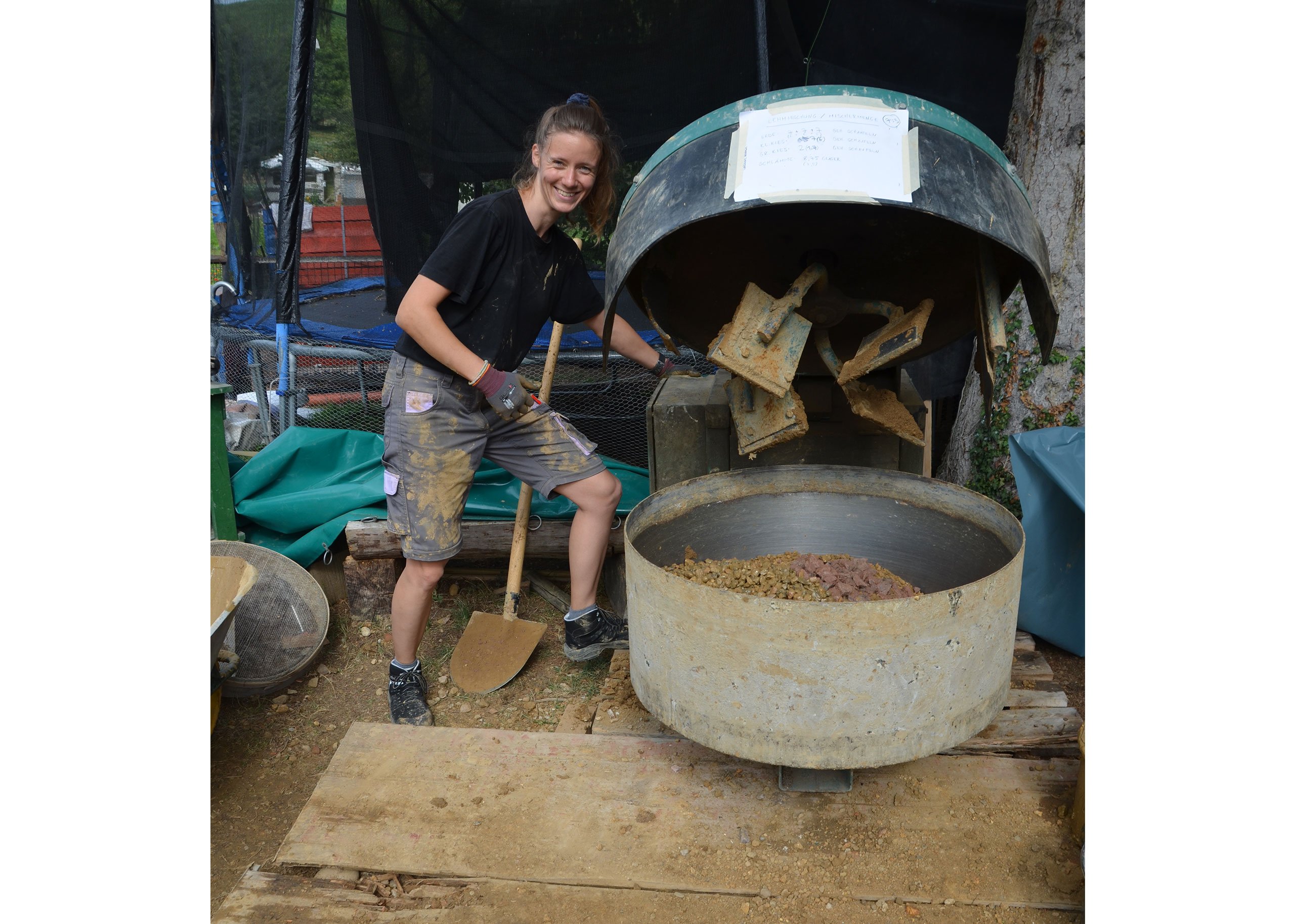
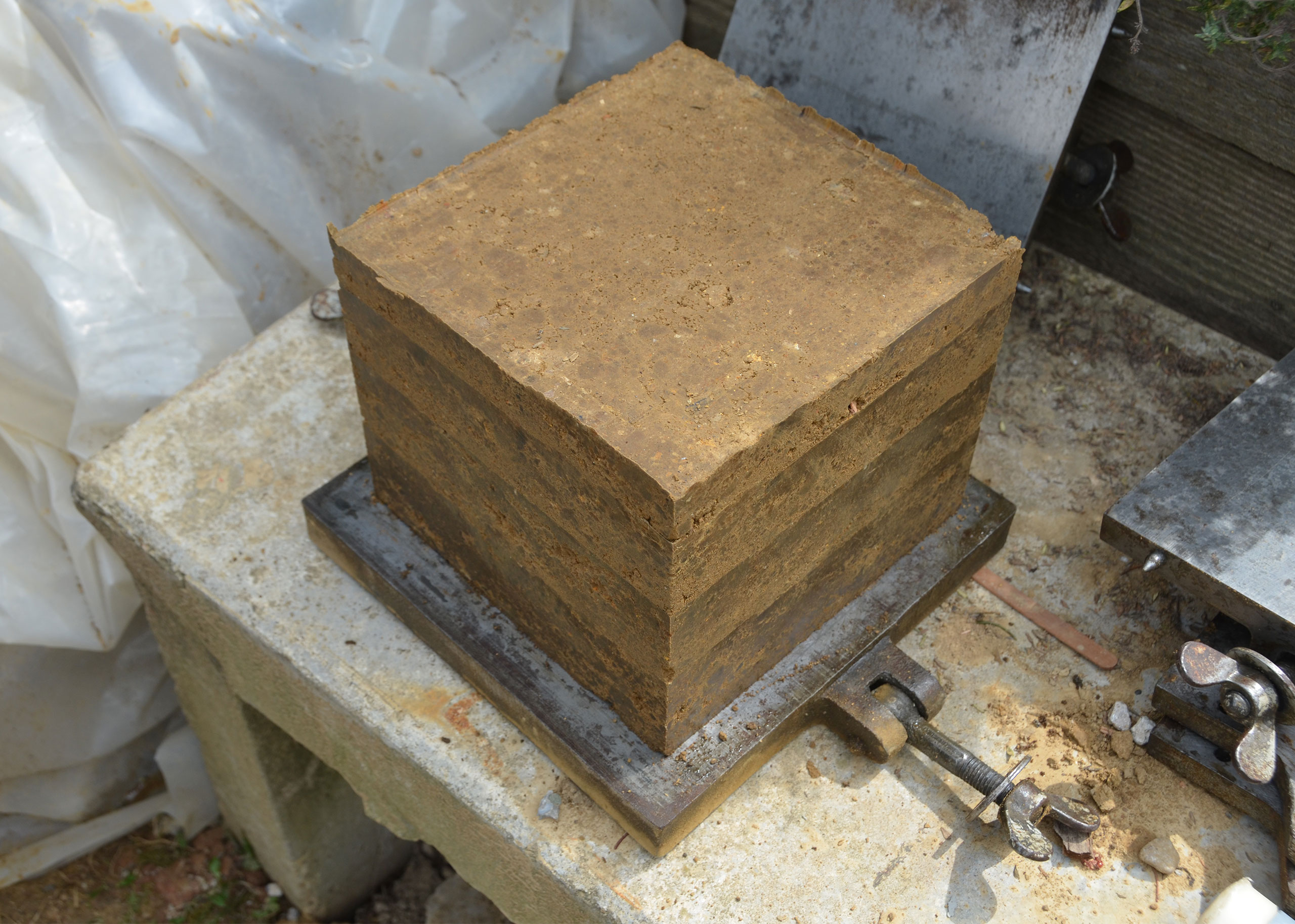
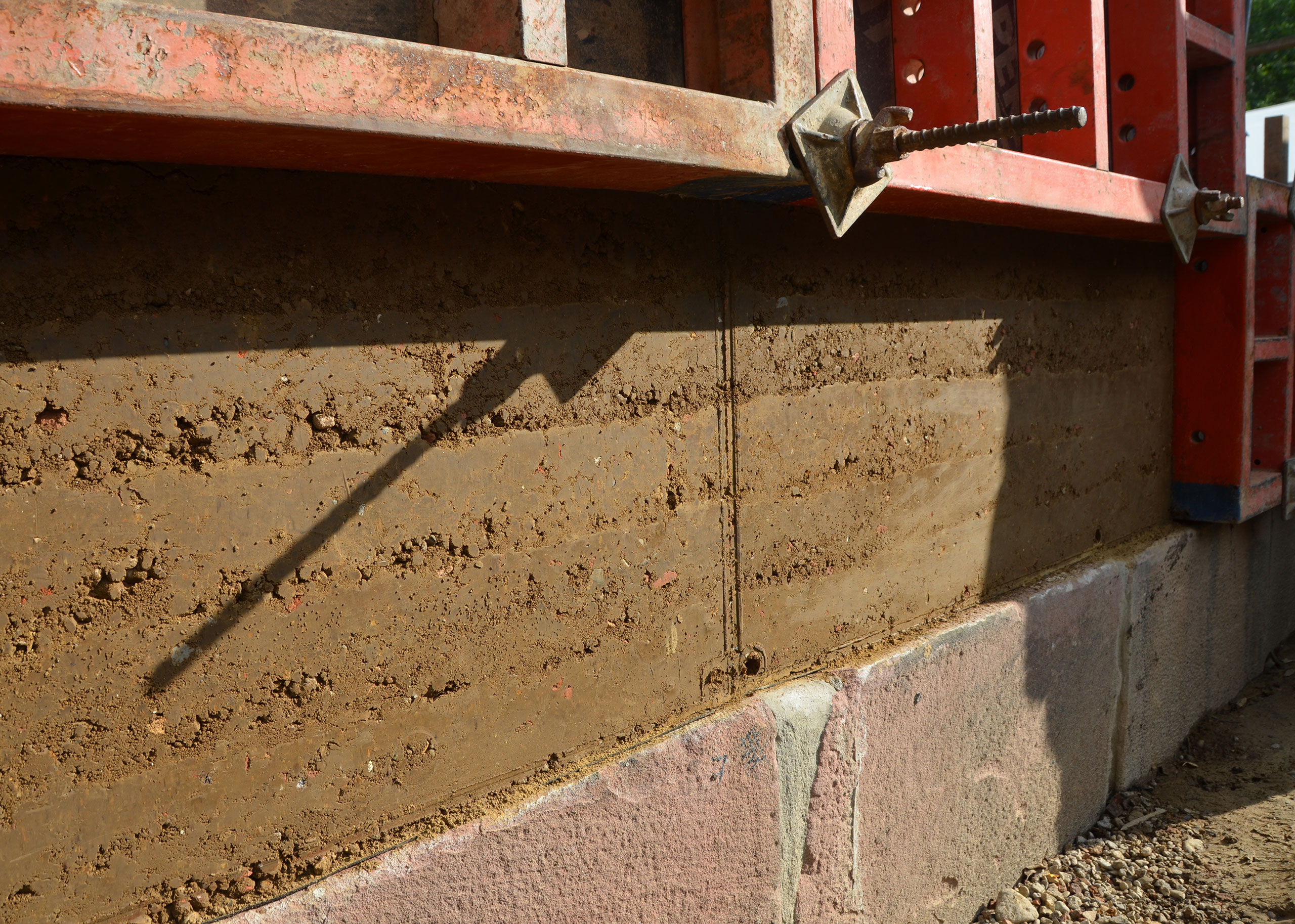
In a joint seminar of the KIT Professorships of Sustainable Construction and Building Technology, a small rammed earth garden house is currently being built near Freiburg. After the material has been tested and suitable formwork has been built, the clay is currently being brought in and compacted.

The students received the basic and background knowledge in advance and currently have the opportunity to gain practical experience in this construction method under adapted conditions, to obtain technical know-how and to experience the materiality of rammed earth live.

Images: Katharina Blümke, Faculty of Architecture, KIT Karlsruhe


ETH Zurich Seminar Weeks Prof. Dirk E. Hebel

16HS_Seminarwoche Venedig_Poster
Fall Semester 2016
Reporting from the Front: Venedig _ Geschichte und Zukunft

Dates:
Monday 24th October to Friday 28th October 2016
Cost Category: C

We travel to Venice to get a selected view on the Venice Biennale and to visit one of the most impressive and unique urban structures in the world.


Spring Semester 2016
Zukunft des Bauens – eine Rundreise

Dates:
Monday 14th March to Friday 18th March 2016
Cost Category: B

We travel to Switzerland and southern Germany, in search of groundbreaking approaches in the production of buildings. It is the goal to understand technical frameworks and to experience the built reality and today’s opportunities in terms of prefabrication and energy issues.


Fall Semester 2015
Exploring Cambodia: from Angkor to Pnomh Penh

Dates:
Saturday 17th October to Sunday 25th October 2015
Cost Category: E

We are visiting Cambodia from the vernacular architecture of the Khmer to the booming capital Phnom Penh. The main goal is to experience the triad of social structures, climatic conditions and local building materials, as well as their influence on the built environment.


SeminarWeek_FS15_Poster_Hebel-707x1000
Spring Semester 2015
Tour de Suisse

Dates:
Monday 16th March to Friday 20th March 2015
Cost Category: B

We travel through Switzerland and visit buildings, which have an architectural concept developed based on the local. The goal is increase the knowledge and experience of Switzerland’s materials and the locations, skills and people connected to these materials.


posters-2014-707x1000
Fall Semester 2014
Addis Ababa / LaLibela

Dates:
Saturday 18th October to Sunday 26th October 2014
Cost Category: E

This week in Ethiopia will concentrate on the development of new, resilient and alternative housing strategies for one of the fastest growing cities in the Global South. Next to visits in different housing typologies and neighborhoods, the group will also investigate and experience how locally available materials need to change our design strategies. In the second half of the week, trips either to the rural area south of Addis Ababa or LaLibela will be organized.



Karlsruher Institut für Technologie
Fakultät für Architektur
Institut Entwerfen und Bautechnik

Professur Nachhaltiges Bauen
Englerstr. 11, Geb. 11.40, Raum 25
D-76131 Karlsruhe
 
Tel: +49 (0)721/608-42167


Recent Publications:  
 

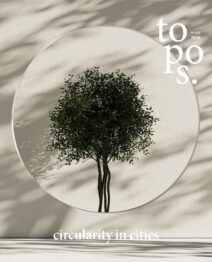
    Interview: „We’ve already made significant progress“

    Juli 9, 2026

    Kohring, Katharina, and Dirk E. Hebel. ‘Interview: “We’ve already made significant progress”’. topos. circularity in cities (München), 2026.


    Better this way

    Juli 9, 2026
    Screenshot

    Holl, Christian. ‘Besser So’. Marlowes, 7 July 2026. https://www.marlowes.de/besser-so/.


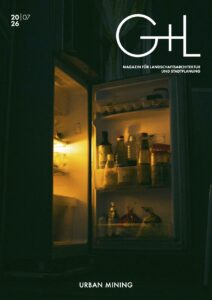
    Interview: „We’ve already made great progress“

    Juli 9, 2026

    Kohring, Katharina, and Dirk E. Hebel. ‘Interview: “Wir sind schon einen großen Schritt weiter”’. G+L – Magazin für Landschaftsarchitektur und Stadtplanung (München), 2026.


    Umbauhof – A Place for the Reuse of Building Components

    Juni 24, 2026

    Boerman, E., & Hebel, D. E. (2026). Weniger Treibhausgasemissionen durch Wiederverwendung. In Umbauhof—Ein Ort für die Wiederverwendung von Bauteilen. Birkhäuser Verlag GmbH (Architektur Raumburgenland, Asphalt / Kollektiv für Architektur).


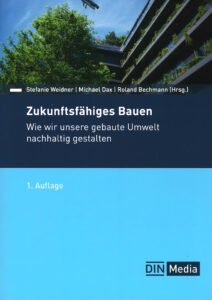
    Sustainable Construction. How we are shaping our built environment in a sustainable way.

    Mai 7, 2026

    Hebel, Dirk E., and Elena Boerman. “Projektstudie 2 (Schwerpunkt: Materialien): Der Kreislaufbasierte Architekturansatz.” In Zukunftsfähiges Bauen – Wie Wir Unsere Gebaute Umwelt Nachhaltig Gestalten, 64–78. Berlin: DIN Media Innovation, 2026.


    Circular! Foundations and principles of a circular construction industry.

    März 11, 2026

    Hebel, Dirk E., and Annette Hillebrandt, eds. 2026. Zirkulär! Fundamente und Postulate einer kreislaufbasierten Bauwirtschaft. Bauwelt Fundamente. Birkhäuser Verlag GmbH.


    A matter of consequence

    März 11, 2026

    Deutsches Architekt:innen Blatt. 2026. “Eine Frage der Konsequenz.” March.


    Circular Construction. Regenerative Building material management.

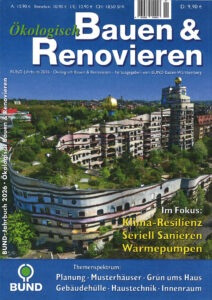
    Januar 8, 2026

    Steiff, Peter. “Zirkuläres Bauen. Regeneratives Baustoff-Management.” BUND Jahrbuch 2026, January 2026.


    Wood as a foundation of a sustainable building culture

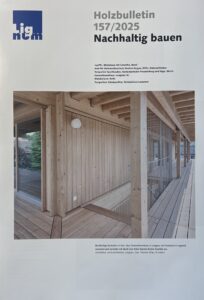
    Januar 8, 2026

    Glanzmann, Jutta. “Holz Als Basis Für Eine Nachhaltige Baukultur.” Lignum Holzbulletin 157/2025, no. Nachhaltig bauen (2025): 4058–59.


    MycoTree

    Januar 5, 2026

    McLean, Will, Pete Silver, and Dirk Hebel. “MycoTree.” In Sustainable & Regenerative Materials for Architecture – A Source Book. 2025; Laurence King, 2025.


    Really Circular – Material Library at KIT

    Oktober 29, 2025

    Dietzold, Lutz, ed. Iconic Awards 2025 – Spaces Objects Visions. Frankfurt: Rat für Formgebung GmbH, 2025.


    Activating the Urban Mine

    Oktober 2, 2025

    Hebel, Dirk E. „Activating the Urban Mine.“ In Architecture and Technology Volume II: Cities in Climate Crisis. Madrid: Norman Foster Foundation Press, 2025.


    The city as a resource

    September 18, 2025


    Hebel, Dirk E. und Felix Heisel. “Die Stadt als Ressource.” In Für eine nachhaltige Architektur der Stadt. Berlin: Verlag Klaus Wagenbach, 2025.


    From a linear to a circular system

    September 15, 2025

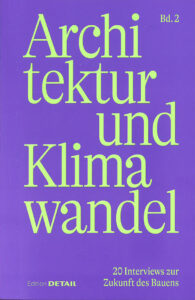
    Hebel, Dirk E. “Vom Linearen Zum Kreislaufsystem.” In Architektur Und Klimawandel. München: Edition DETAIL, 2025.


    Interview: „We must finally start measuring CO2 emissions – not just how thick the insulation is“

    Juli 29, 2025

    Hebel, Dirk E. Interview: “Wir müssen endlich anfangen, den CO2-Ausstoß zu messen – nicht nur, wie dick die Dämmung ist.” Interview by Christoph Karcher. LooKIT 0225, 2025.


    WEtransFORM – On the Future of Building

    Juni 22, 2025

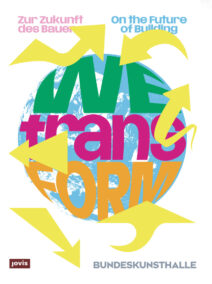
    BUNDESKUNSTHALLE, ed. WEtransFORM – Zur Zukunft Des Bauens. Berlin: jovis Verlag, 2025.


    Henkels Wuppertal

    Juni 4, 2025

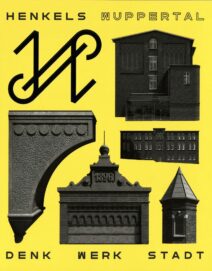
    Renaissance AG, ed. Henkels Wuppertal – DenkWerkStadt. Wuppertal: renaissance Immobilien und Beteiligungen Aktiengesellschaft, 2025.


    Building for the world of tomorrow

    April 24, 2025

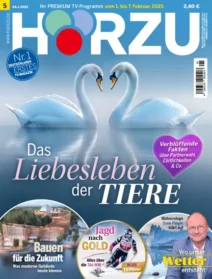
    Monkenbusch, Helmut. „Bauen für die Welt von morgen.“ Hörzu, 24.1.2025


    Funghi – underground networkers

    April 24, 2025

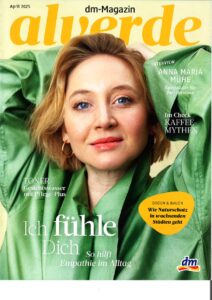
    Hebel, Dirk E., Tanja Hildbrandt. „ Pilze – Netzwerker im Untergrund“. alverde, dm-Magazin, April 2025.


    Fungi are versatile

    Februar 24, 2025

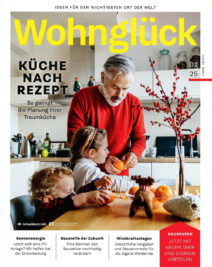
    Merkert-Andreas, Carolin. “Pilze Sind Vielseitig.” Wohnglück, January 2025.


    “RoofKIT – Carbon storage and Material storage”

    Januar 9, 2025

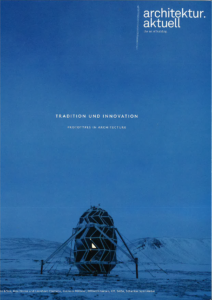
    Boerman, Elena, and Dirk E. Hebel. “RoofKIT – Kohlenstoffspeicher Und Materiallager.” Architektur.Aktuell, vol. 12.2024, no. Tradition und Innovation, Dezember 2024, pp. 98–109


    The many applications of mycelium construtction

    Dezember 8, 2024

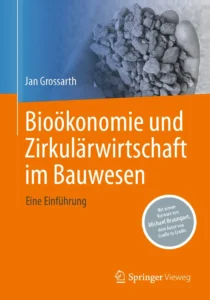
    Grossarth, Jan. „Exkurs: Die vielen Einsatzbereiche von Myzel im Bauwesen“. In Bioökonomie und Zirkulärwirtschaft im Bauwesen, eine Einführung, 174–117. Wiesbaden: Springer Fachmedien, 2024.


    Interview: „From a Linear to a Circular System“

    November 13, 2024

    Hebel, Dirk E. Interview: “Vom linearen zum zirkulären Kreislaufsystem.” Interview by Sandra Hofmeister, DETAIL 11.2024, Nov. 2024.


    Building with renewable materials – Nature as a resource depot

    Oktober 29, 2024

    Hebel, Dirk E., Sandra Böhm, Elena Boerman, Hrsg. Vom Bauen mit erneuerbaren Materialien – Die Natur als Rohstofflager. Stuttgart: Fraunhofer IRB Verlag, 2024.


    Guest contribution: ‚Thinking, designing and operating in circular ways.‘

    Juni 27, 2024

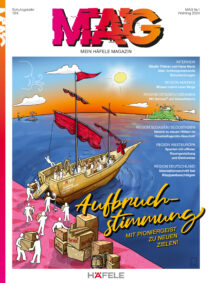
    Hebel, Dirk E. “In Kreisläufen denken, entwerfen und wirtschaften.” MÄG – Mein Häfele Magazin, 2024.


    Interview: ‚Mycelium power for the construction industry‘

    Juni 10, 2024

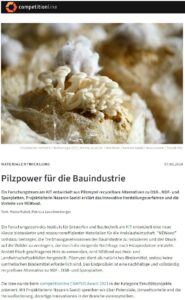
    Rubel, Maike, and Patricia Leuchtenberger. Interview: “Pilzpower für die Bauindustrie.” competitionline, 7 June 2024, https://www.competitionline.com/de/news/schwerpunkt/pilzpower-fuer-die-bauindustrie-7283.html.


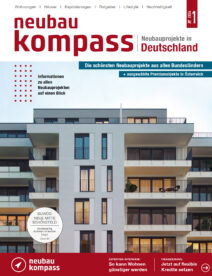
    ‚Future building materials: mushroom, hemp and algae‘ in neubau kompass

    Mai 27, 2024

    Müller, Janek. “Baumaterialien der Zukunft: Pilze, Hanf und Algen.” neubau kompass – Neubauprojekte in Deutschland, May 3, 2024. https://www.neubaukompass.de/premium-magazin/.


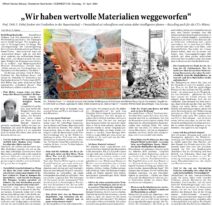
    Interview: ‚We have disposed of valuable materials‘

    Mai 7, 2024

    Sören, S. Sgries. “Interview: ‘Wir haben wertvolle Materialien weggeworfen.’” Rhein-Neckar-Zeitung, April 27, 2024, SÜDWEST I 28 edition, sec. Sinsheimer Nachrichten.


    Built on mushroom

    April 24, 2024

    Schweikle, Johannes. “Auf Pilz gebaut.” Stuttgarter Zeitung, April 23, 2024, sec. Die Reportage.


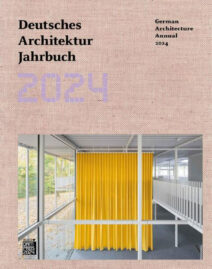
    Organic Architecture – Fungus mycelium and flax as materials for the ecological building transition

    Februar 13, 2024

    Klaaßen, Lars. “Organische Architektur – Pilzmyzel und Flachs als Materialien für die ökologische Bauwende.” In Deutsches Architektur Jahrbuch 2024, edited by Peter Cachola Schmal, Yorck Förster, and Christina Gräwe, 198–209. Berlin, Germany: DOM publishers, 2024.